Thriving not despite but because of Autism. Being inside our natural Autistic realm.

Thriving not despite but because of Autism. Being inside our natural Autistic realm.
Email: dr.dawnjoyleong@gmail.com
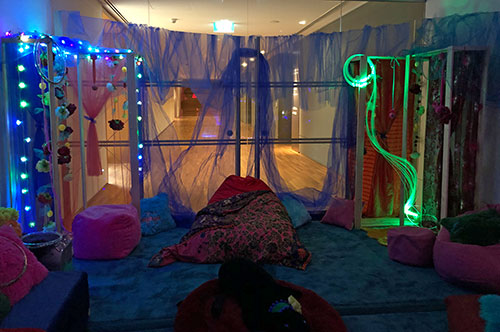
DESIGNING CLEMENT SPACE: conducive space concept, design and creation.
Design, creation & consultation for calm rooms, quiet corners, cosy pods.


Design, creation and consultation of sensory engagement in calm space.

TALKS / WORKSHOPS / LECTURES: art-science research & practice.
Clement Space: concept, design & creation
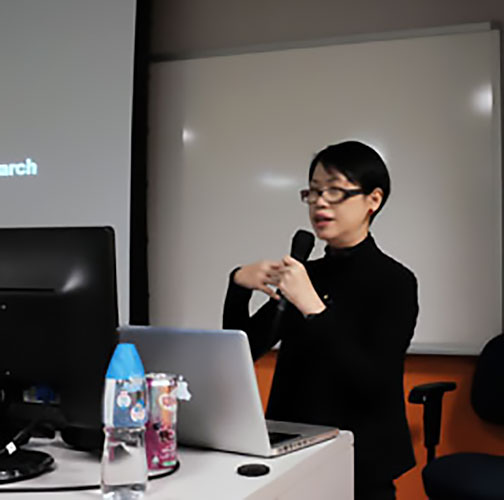
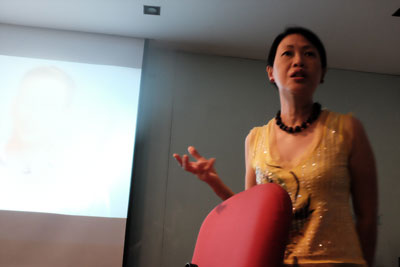
Autism, Neurodiversity & Multi-Art Praxis
Autism, Art & Mental Wellbeing
Autism Neurodiversity & Education



COMMISSIONS
Research – Autism, Neurodiversity, Multi-Art Practice & Design.
Writing – reviews, articles, critical analysis.
Art & Music Installations, Exhibitions, Performances.


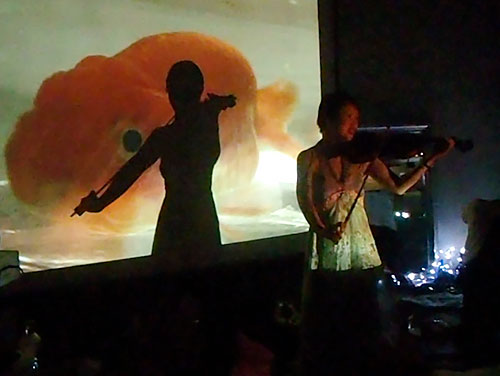
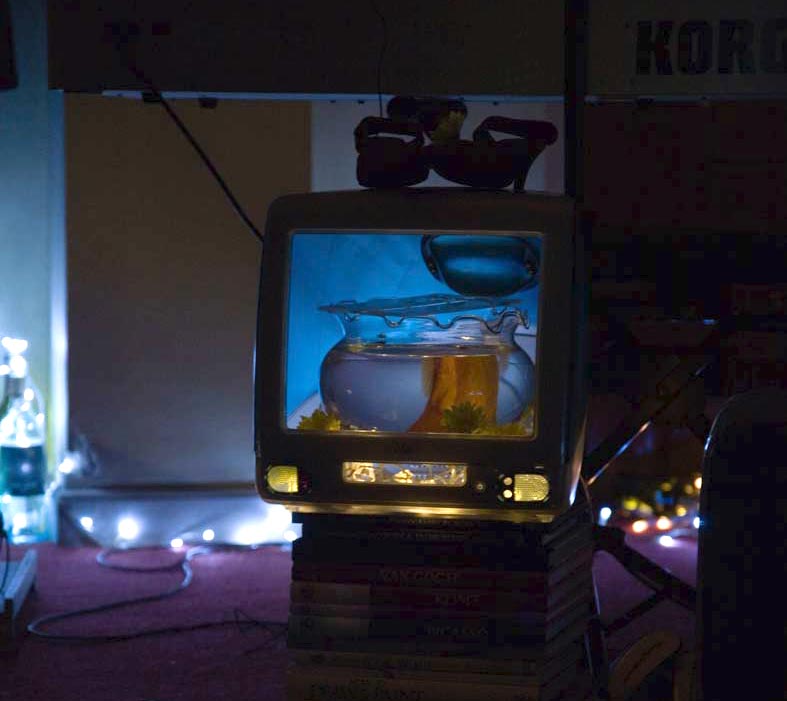

It was an amazing experience, being a part of such a groundbreaking, massive yet cohesive and well curated festival. (Catch snippets of Snoosphere in this video!)
Moving on ahead, I am looking forward to The BIG Anxiety Festival 2019. Stay tuned, everyone!
Here are the speakers notes for my presentation yesterday (11 Aug 2018) at our disability-led forum on Disability-Led Practice, a groundbreaking first in Singapore. I’ve also added more detailed links to videos in this post.
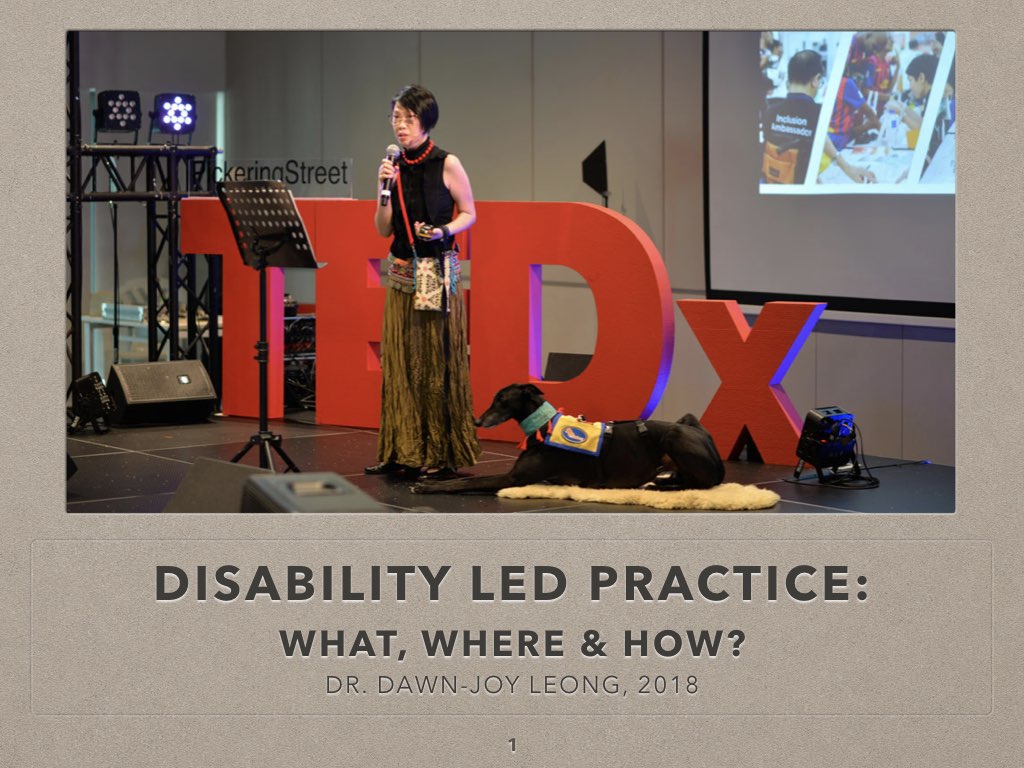
This is the complete unedited script of my TEDx speech, delivered today amidst a flurry of technical failures and farcical-comedic twists. (Read about it here.)
—
AUTISTIC THRIVING
Dawn-joy Leong
4 August 2018
TEDx Pickering Street
Singapore
~
I dance,
Because
I cannot walk,
The ground,
It is too strange.
I must count:
One, two,
One, two, three!
Autistic people are given many different labels by the non-autistic world. One of them is ‘clumsy,’ and by that measure, I suppose I am – it is a conscious effort for me to walk in a straight line, navigate bumpy surfaces, and stroll and chat at the same time. Yet, how does ‘clumsiness’ explain the ability to dance? When there is music, my body becomes freed from the tyranny of the walk, and the ground doesn’t seem so daunting anymore. Continue reading
Lucy and I shall be at TEDx Pickering Street this Saturday 4 August 2018. Come join us and hear my ideas on how autistic and non-autistic people may grow and thrive, not despite autism but because of the unique features of autism, and what society can learn from autistic persons.
—
[Autistic Thriving – Dr. Dawn-Joy Leong]
There is a great deal of ‘awareness’ these days about Autism – mainly from non-autistic observations. However, where are the Actually Autistic voices in this cacophony of opinions and interpretations? What is it like to be autistic? Discover how Dawn learns to thrive within her autistic ecology, not despite but because of her autism.
Grab your tickets here: https://tedxpsthrive.peatix.com/
[自闭世界的生意盎然]
自闭症在当下取得了广泛的关注,只不过这些观察结果都是从非自闭症患者角度获得的。可是抛开这些不和谐的观点和解释,我们从何听到自闭症患者的真实发声?作为一个自闭症患者是什么样子?在这场演讲中,Dawn会向我们分享她是如何在患有自闭症的情况下茁壮成长。

Cast Photo by Victor Kuansong Zhuang. Thank you for permission to use.
Yesterday, I attended the final performance – a matinee – of “And Suddenly I Disappear: The Singapore ‘d’ Monologues“. My friend, Alvan, has written a brief review of the show here. I like some of his views on it, and I highly recommend a quick visit to his blog post.
This isn’t a review of the play, really, it is more a sensory recollection. Continue reading
In a previous post, I mused about Disabled Leadership, the great divide between theory and practice that many disabled persons face, and suggested one fundamental element that is crucial to recognition of disabled participants in the conversation on disability: payment as a basic mark of respect. Now, in this brief ‘follow-up’ post, I’d like to provide some straight-forward concrete examples of its practice in the arts and film.
I’ve iterated and reiterated before, and now once more, I am no activist – I have an aversion for confrontational activity, but advocacy is something that most disabled professionals are forced to engage in (in some way or other) due to the dominating climate of ableism and stubborn ignorance surrounding the disabled practitioner. In other words, advocacy – sometimes quite vehement and insistent – is made necessary because disabled practitioners need to clear the debris-strewn paths, clogged channels, and polluted waterways so that we can proceed with our practice. Continue reading
I am not an “Autism Activist” – far from it – so, please do not call me that. Thank you. I do support the work of activists, it is a necessary force when things are woefully wrong and a great deal of vim and vigour is needed to create change for the better. It is just that my natural constitution does not fit well with the vivacity required for effective activism. Sometimes, though, I do engage in advocacy. Well, all right, quite often especially of late, but this is not what I deliberately set out to do. I am, first and foremost, an autistic researcher and multi-artist. Unpacking this further, my research interests include (but are not confined to) autism, autistic sensory idiosyncrasies, alternative and elemental empathic resonance, clement spaces of mind and body, and my material practice reflects this research, employing multiple artistic disciplines. I love my research and multi-art practice, and I adore my beloved Lucy Like-a-Charm, the two represent mental, emotional and physical wellbeing and equilibrium to me. Continue reading
There is increasing talk about Disabled Leadership in the Arts. There are stirrings, positive ones, potentially amazing even, in the arena of the Arts and Disability. (Even in wider fields, for example Autism Research – just reading the Twitter feed coming from IMSAR2018 indicates that level of Actual Autistic participation has increased and that is a cause for hope for a better future in research and practice.)
Excitement and awareness aside, there are still some brass tacks issues to face and tackle head on. Before we can even make that leap into Disabled Leadership, there needs to be some basic concepts of respectful and ethical interactional treatment of disabled people. How do we establish leadership if the non-disabled world cannot even bring themselves to the level of viewing disabled people as human beings worthy of esteem and regard as equal participants in society?
A fundamental topic is that of payment. Yes. Money. And plain simple respect. Let’s start here. Continue reading
 Dawn-joy Leong